



RV Black Tank Sensors Not Working? Clean, Diagnose & Install (2025 Guide)
Posted by Happy Campers Store on Aug 11th 2025
The Happy Campers Holding Tank Management System
Why RV Black Tank Sensors Stop Working
How to Fix False Sensor Readings, Clean Dirty Sensors & Restore Accurate Tank Monitoring
Most RV black tank sensor problems are not caused by failed sensors. They are usually caused by conductive residue, dirty probes, poor rinsing habits, buildup inside the tank, or wiring and grounding issues.
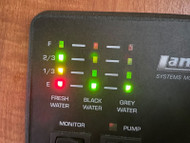
Signs Your RV Tank Sensors Are Giving False Readings
If any of these sound familiar, your sensors may not actually be broken.
Your RV Tank Sensors May Not Actually Be Broken
Most factory RV tank monitoring systems use conductive probes mounted through the tank wall.
When liquid touches the probe, the circuit completes and your monitor panel lights up.
The problem is that waste residue, grease film, sludge, wet toilet paper, and biofilm can also conduct electricity.
Even after dumping, residue stuck to the tank wall or sensor probe can continue triggering false “full” readings.
How RV Black Tank Sensors Fail
Most false sensor readings happen because conductive residue remains attached to the sensor probes even after the tank is emptied.


Common RV Tank Sensor “Fixes” That Often Don’t Actually Fix the Problem
Many DIY methods help move loose debris — but they often do not remove the conductive residue causing false readings.
False sensor readings are usually caused by residue attached to the sensor — not by liquid still remaining in the tank.
How to Clean RV Black Tank Sensors the Right Way
The goal is not just to rinse the tank — it is to remove conductive residue from the sensor probes and tank walls.
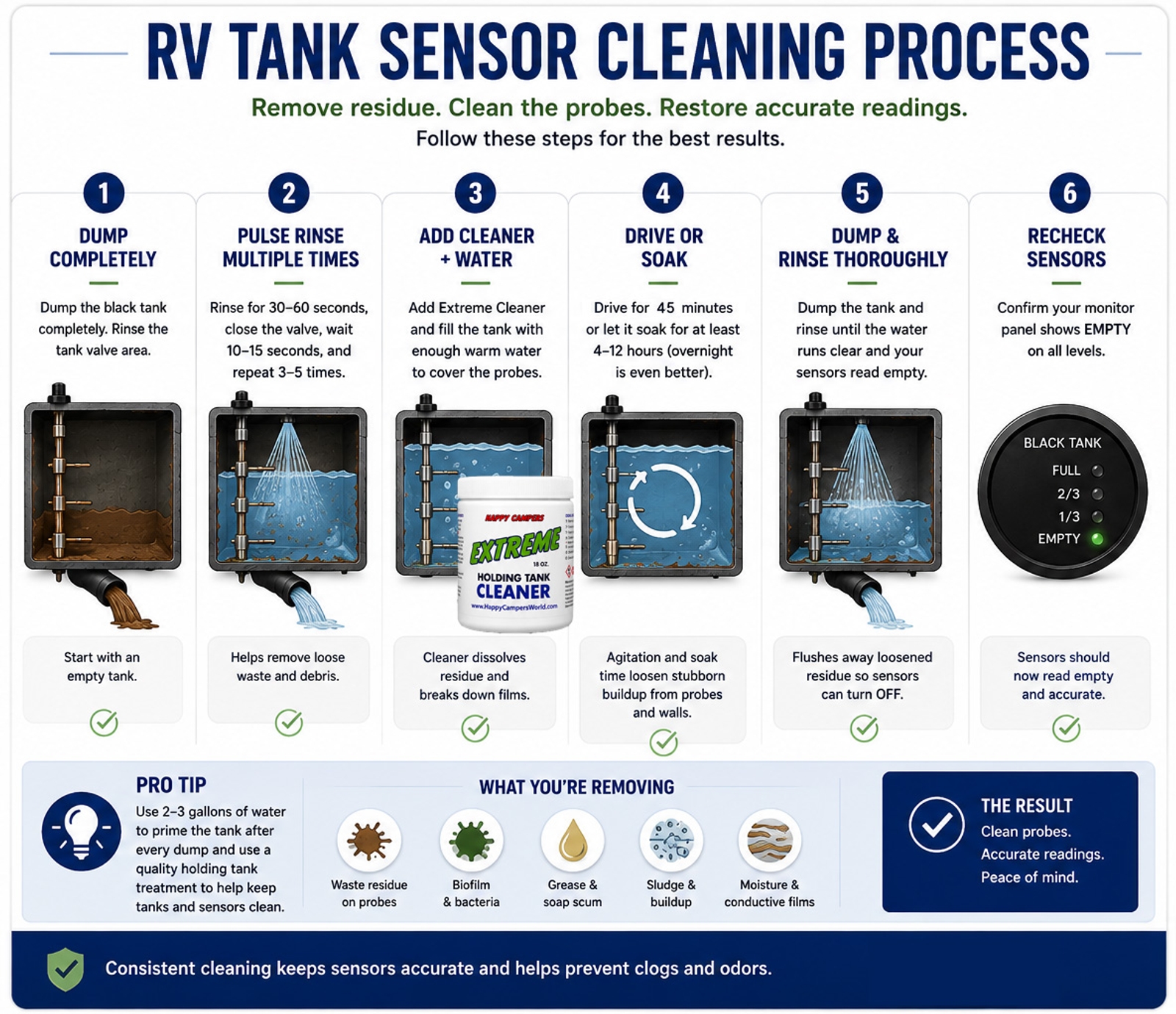
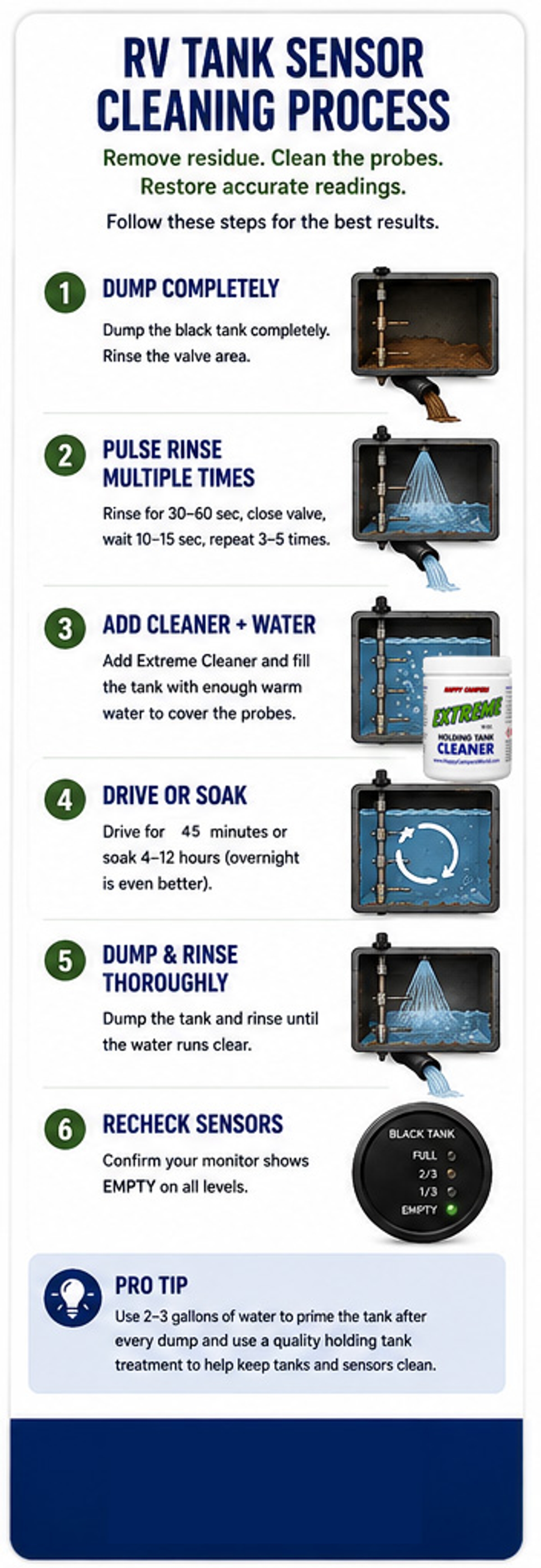
Dump the Tank Completely
Empty the black tank fully before beginning the cleaning process.
Pulse Rinse Multiple Times
Rinse for 30–60 seconds, close the valve, wait briefly, and repeat several cycles.
Add Cleaner + Water
Add Extreme Cleaner with enough warm water to contact tank walls, corners, and sensor probes.
Drive or Allow Proper Soak Time
Agitation and soak time help loosen residue films and buildup attached to probes.
Dump, Rinse & Recheck Sensors
Thorough rinsing helps remove the loosened buildup causing false readings.
Real Before & After RV Sensor Cleaning Results
False sensor readings are often caused by buildup you cannot easily see during normal rinsing. Proper corrective cleaning can help remove conductive residue from probes, tank walls, and buildup-prone areas.
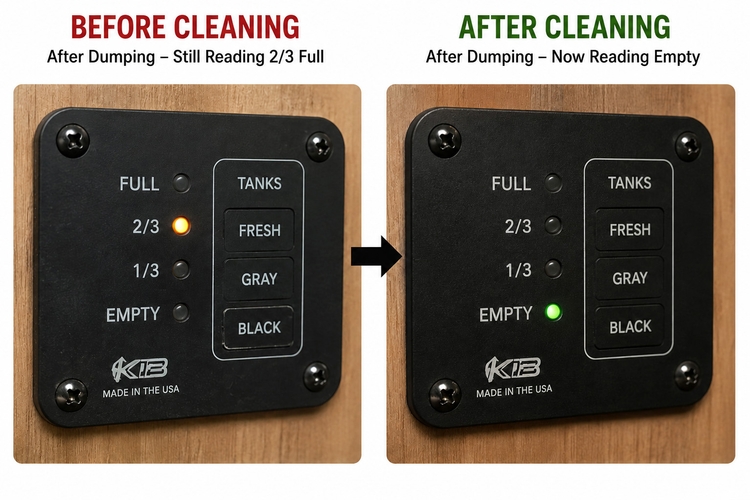
False Reading Restored
Conductive residue on dirty probes can cause sensors to remain stuck at 2/3 full after dumping. Proper corrective cleaning can help restore accurate EMPTY readings.
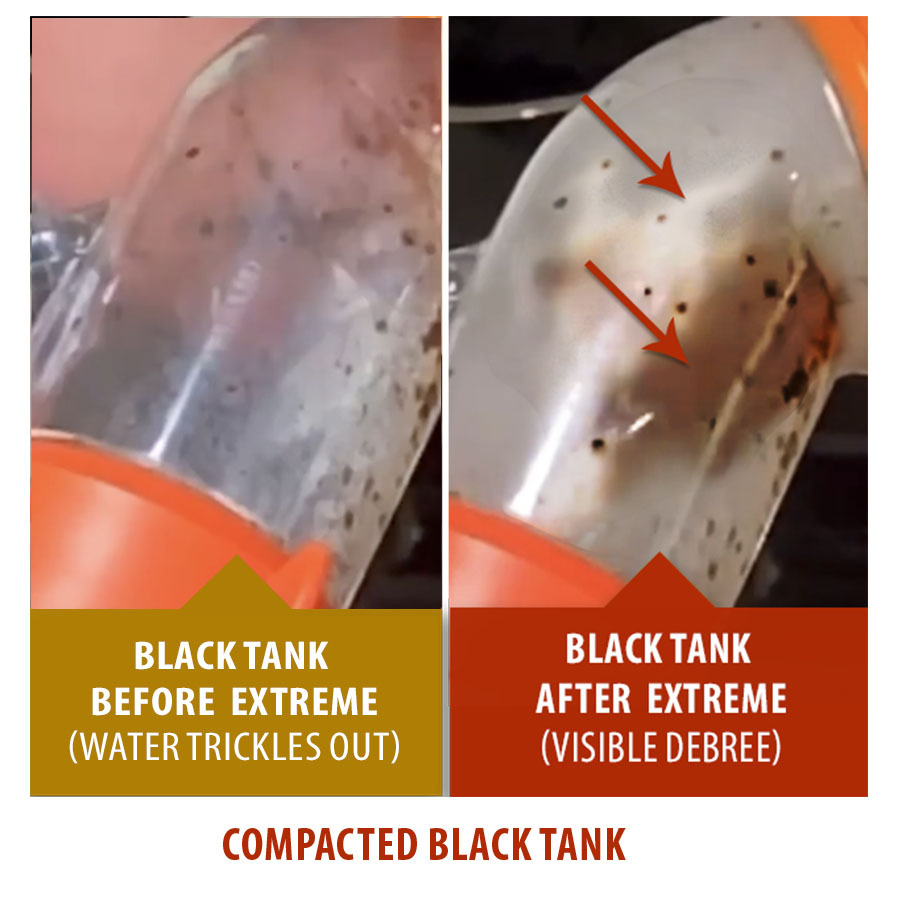
Compacted Buildup Removal
Severe buildup and compaction can repeatedly coat probes and trigger false readings.
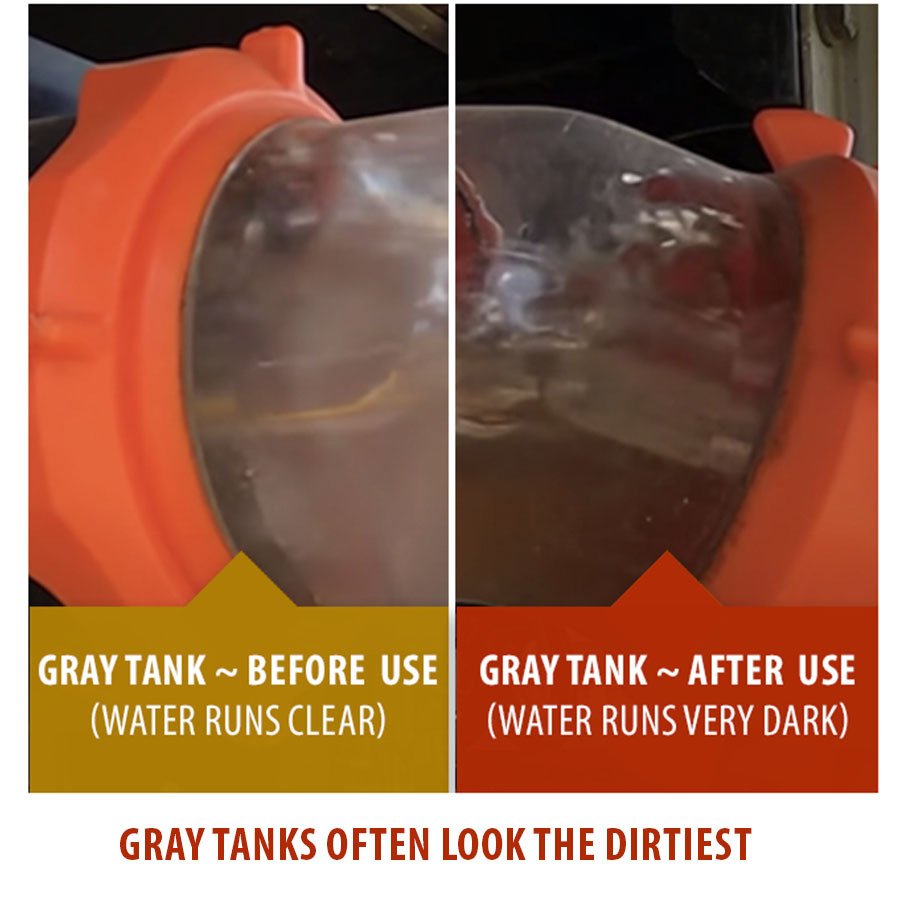
Cleaner Tank Surfaces
Cleaner tank walls and probes help sensors perform more consistently over time.
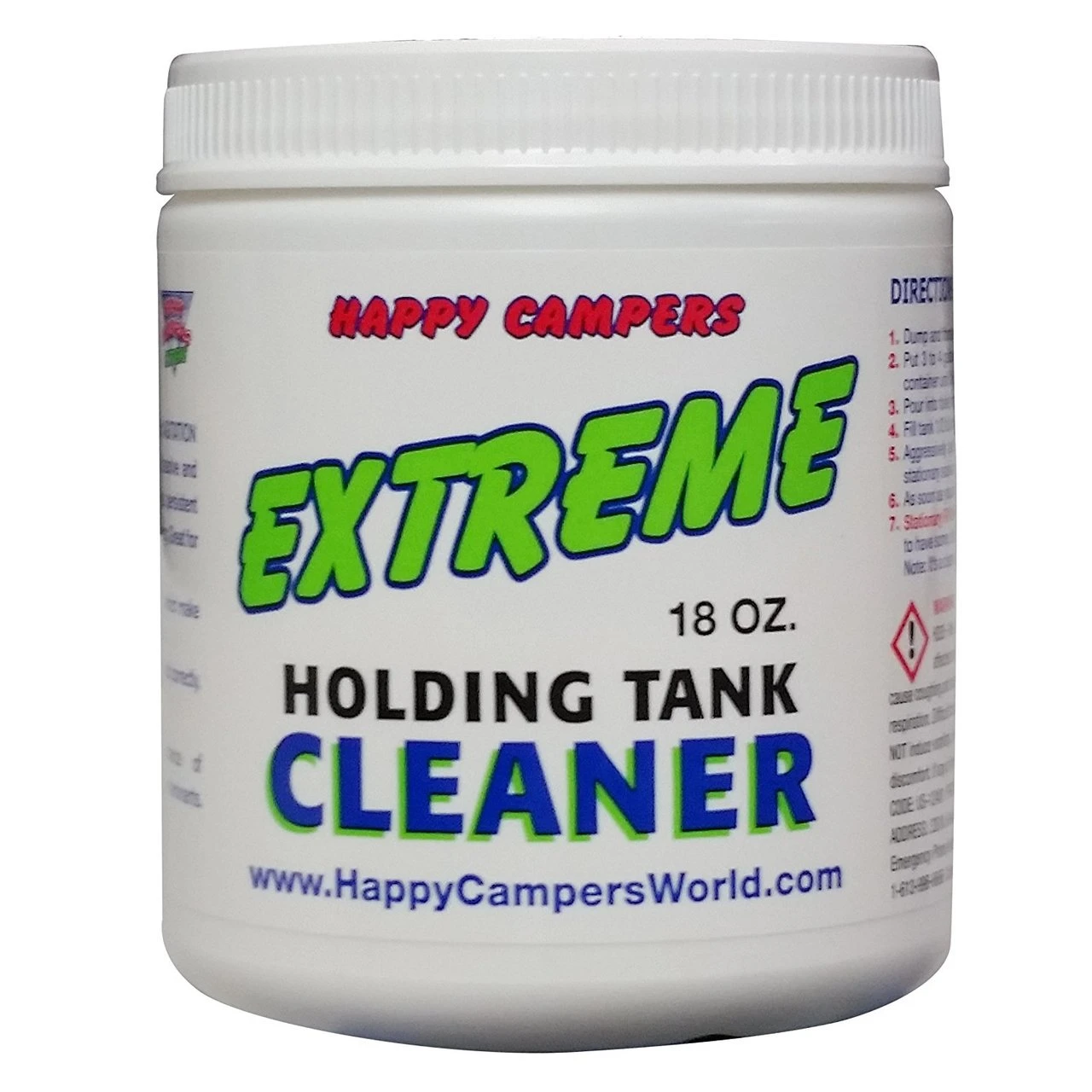
Corrective Cleaning for Dirty RV Tank Sensors
Extreme Cleaner helps remove conductive residue and dirty buildup that commonly contribute to false sensor readings.
When Dirty Sensors Are Actually a Bigger Tank Problem
If your sensors quickly become inaccurate again after cleaning, the issue may be larger-scale buildup or a compacted black tank.
Compacted waste, hardened sludge, pyramid plugs, and severe buildup can repeatedly coat probes and cause recurring false readings.
Sometimes the sensors are only revealing a larger tank flow or compaction problem.
Learn About RV Tank Clogs & Compacted Tanks →Many RV owners assume false readings automatically mean the sensors have failed — but dirty probes are far more common than actual electrical problems.
Dirty Sensors vs Actual Sensor Failure
Most RV tank sensor problems are caused by dirty probes — not failed electrical components.
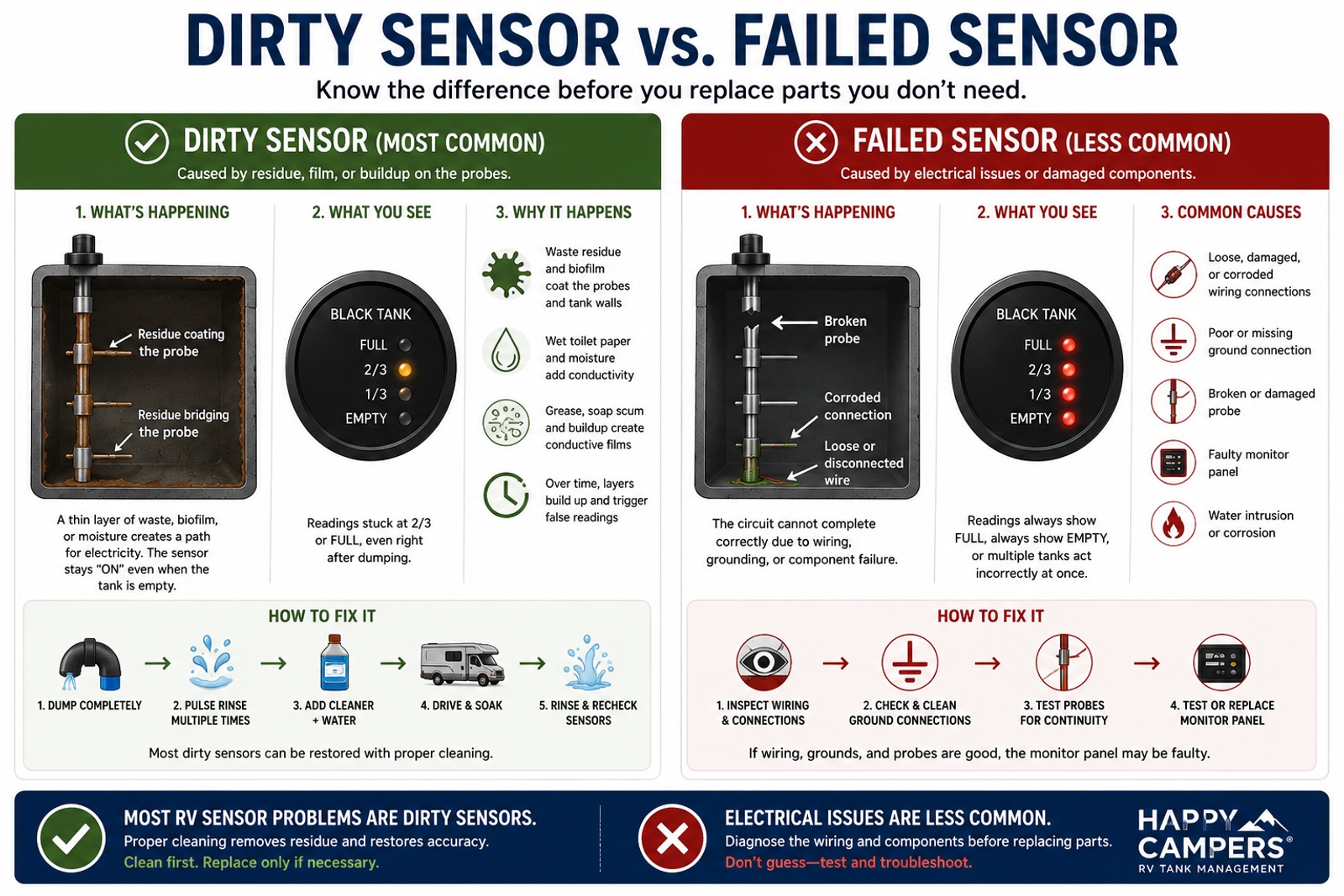
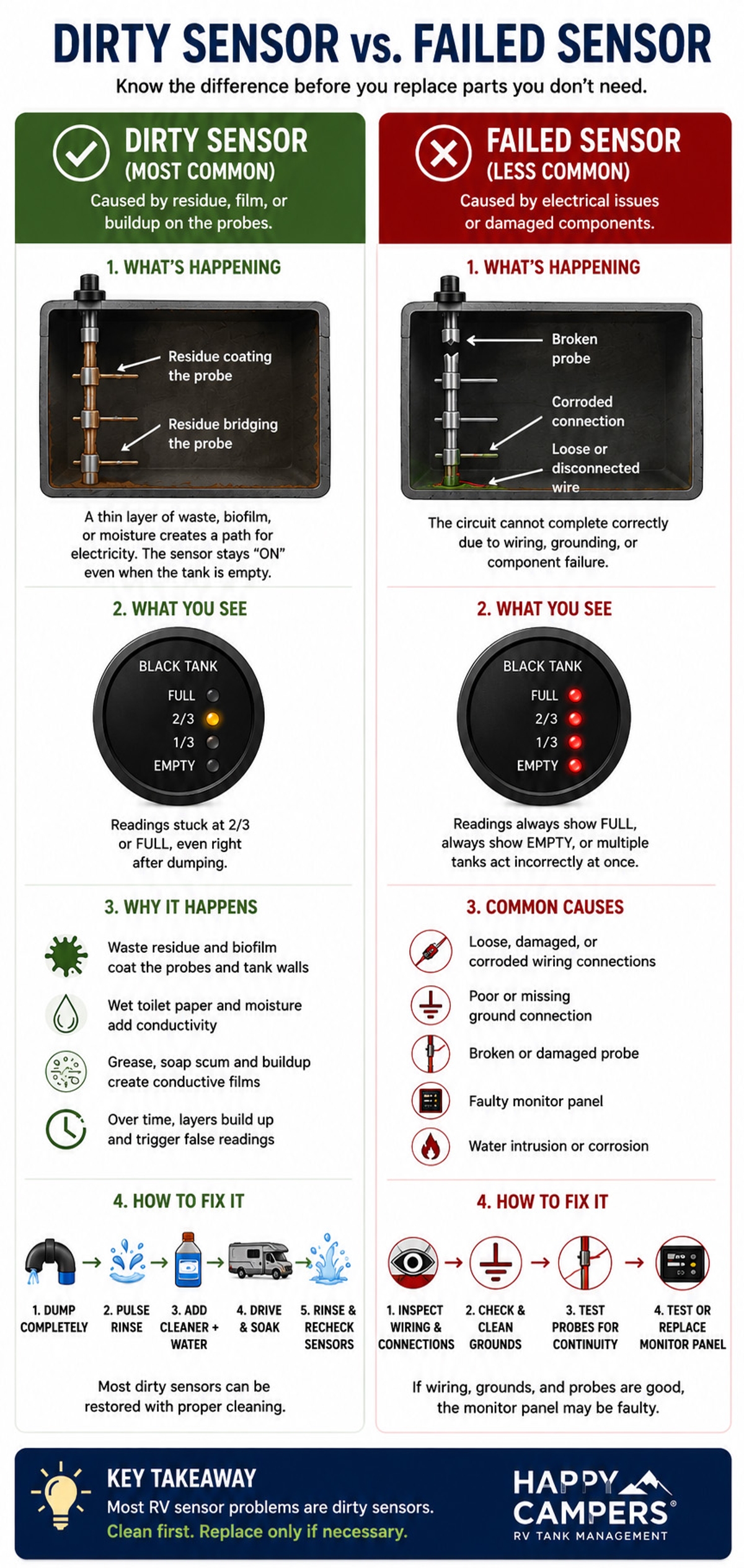
Signs the Sensors Are Dirty
- Readings slowly became inaccurate over time
- False “2/3” or “Full” readings
- Readings improve after rinsing
- Odors or buildup problems also exist
- Tank recently experienced clogging or compaction
Signs of Actual Electrical Failure
- Multiple tanks suddenly read incorrectly
- Sensors always read full or empty
- Loose or corroded wiring
- Bad grounding connections
- Faulty monitor panel or damaged probes
False readings are far more commonly caused by dirty probes than failed sensors.
RV Tank Sensor Upgrade Options
Improved Probe-Style Sensors
- Budget-friendly upgrade
- Compatible with many factory systems
- Helps reduce false probe contact
- Still requires proper maintenance
External Sensor Systems (SeeLevel)
- Mount outside the tank
- Less affected by buildup
- More accurate percentage readings
- Higher upfront installation cost
External strip-style systems are popular upgrades for RVers frustrated with traditional probe sensors.
RV Black Tank Sensor FAQs
Why do my RV tank sensors still read full after dumping?
Residue or wet waste attached to the sensor probe can continue conducting electricity after the tank is emptied.
Does rinsing alone clean RV tank sensors?
Not always. Rinsing removes loose debris, but conductive buildup can remain attached to probes and tank walls. Learn more about deep corrective cleaning in our RV tank cleaning guide .
Should I let my black tank dry out?
Drying out may help diagnose certain wiring issues, but routinely allowing tanks to dry can contribute to buildup and hardened residue.
Are external SeeLevel systems more accurate?
Many RV owners find external strip systems more reliable because they are mounted outside the tank and are less affected by buildup.
Can dirty sensors cause odor problems?
Dirty sensors themselves do not create odor, but the buildup causing false readings often contributes to odor and tank performance problems.
Restore Cleaner Tanks & More Accurate Sensor Readings
conductive residue, dirty buildup, and waste film